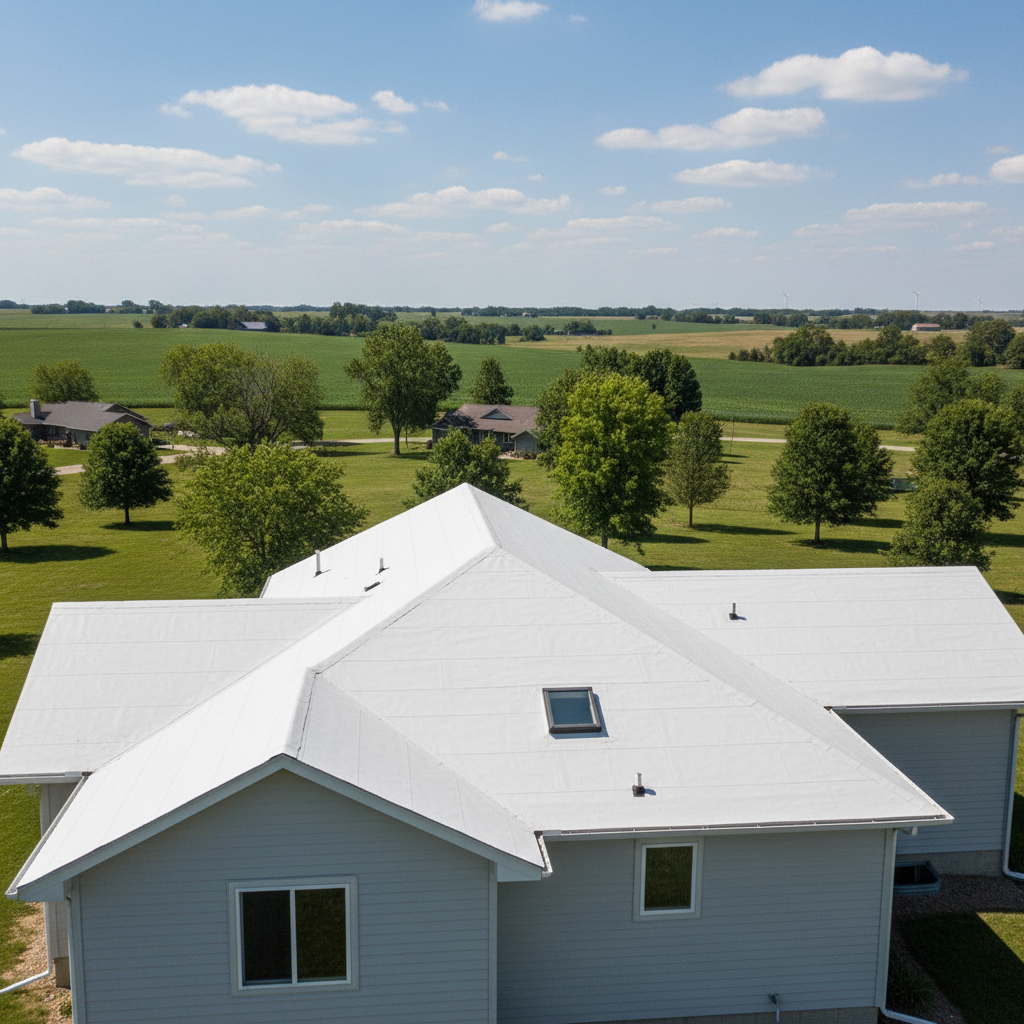
You've put money into a TPO roof for your commercial building, and that's a smart move. TPO, or Thermoplastic Polyolefin, is pretty well-known for being tough, energy-efficient, and able to stand up to things like UV rays and punctures. But just because it's "durable" doesn't mean you can install it and forget about it — especially not here in Sioux Center, where our weather can get pretty wild. If you want that roof to last its full life, maybe even a few years longer, you'll need to give it some attention.
Making Your TPO Roof Last Longer
The biggest thing you can do to get more years out of your TPO roof is simple: be proactive. Don't wait for a leak to pop up in your office or warehouse. Think of it like changing the oil in your truck; you do it regularly to head off bigger problems down the road. For TPO, that means keeping it clean and fixing small issues before they blow up into major ones.
Another key factor, honestly, is proper installation. If your TPO wasn't put in right the first time, you're already fighting an uphill battle. Seams that aren't properly welded, not enough fasteners, or a membrane stretched too tight can all lead to it failing way too soon. That's why picking a reputable contractor like Apex Roofing Co. for installation or repairs is so important. We really know TPO inside and out, and we understand how it holds up in our specific climate — from those scorching July days to the brutal January freezes.
What Does Regular Maintenance Look Like?
Regular maintenance for a TPO roof isn't rocket science, but you do have to be consistent. Here's what you should be doing:
- Check it twice a year: I always recommend a good look-over in the spring, after the winter thaw, and again in the fall, before the heavy snows hit. Just keep an eye out for anything that seems off.
- Keep it clean: Leaves, dirt, branches, and even standing water can cause trouble. All that debris can trap moisture against the membrane, making it break down, or it can clog drains, which leads to ponding. You'd be surprised how much gunk can pile up, especially on buildings near those big cottonwood trees we have around town.
- Clear out drains and gutters: This is huge. If water can't drain properly, it's just going to sit on your roof. Ponding water really stresses the membrane and seams, and over time, that can absolutely cause leaks. Make sure your scuppers and downspouts are totally free and clear.
- Inspect seams and flashings: TPO seams are heat-welded, which makes them super strong. But after years of expanding and contracting with temperature swings, they can sometimes lift or pull apart. Pay extra attention to areas around penetrations like vents, skylights, and HVAC units. Those are often the first spots to show wear.
- Look for punctures or damage: Hail storms, tools dropped during other building maintenance, or even animal activity can cause small holes. Catch these early, okay?
Warning Signs of Trouble
Your roof will usually give you some hints before a major disaster hits. You just need to know what to look for:
- Ponding water: If you see water sitting on your roof 48 hours after it rained, that's a problem. It means drainage isn't working right or the deck is sagging.
- Cracks, splits, or punctures: Any break in the membrane is an open invitation for water to get in.
- Loose or separated seams: If you can easily lift an edge of a seam, it needs immediate attention.
- Blistering or bubbling: These can mean moisture is trapped under the membrane or it's delaminating.
- Discoloration or too much dirt: While some dirt is normal, odd discoloration might signal the membrane is degrading, and heavy dirt can lead to biological growth that actually hurts the roof.
- Visible damage to flashing: Around pipes, vents, or parapet walls, look for any tears or gaps in the flashing material.
- Leaks inside your building: This is the most obvious sign, but it also means the problem has already gotten pretty far. Don't wait for this one.
When to Call a Professional
You can handle some of the basic cleaning and visual inspections yourself, but there are definitely times when you need to bring in the pros. Seriously, don't try to DIY major repairs on a commercial TPO roof; you could void your warranty or just make the whole problem worse. Here's when to pick up the phone:
- Any time you find significant damage: If you see a big tear, widespread seam separation, or extensive ponding, get us out there.
- When you're unsure: If you spot something odd and you're not sure if it's a problem, it's always better to have an expert take a look. A quick inspection could save you thousands later.
- For annual or bi-annual professional inspections: Even if you do your own checks, a professional can spot subtle issues you might miss. We've got the tools and experience to find potential problems before they become critical.
- Before and after severe weather: After a major hail storm, a particularly brutal winter with heavy snow loads, or high winds that sweep through our area, it's smart to get a professional assessment.
- If you notice leaks inside your building: Don't delay. A leak can quickly lead to structural damage, mold growth, and damage to your inventory or equipment.
Keeping your TPO roof in good shape isn't just about avoiding leaks; it's about protecting your investment and making sure your business operations aren't interrupted. A little maintenance really does go a long way. If you're in Sioux Center and need a hand with your commercial TPO roof, give us a call at Apex Roofing Co. We're here to help keep your business covered.