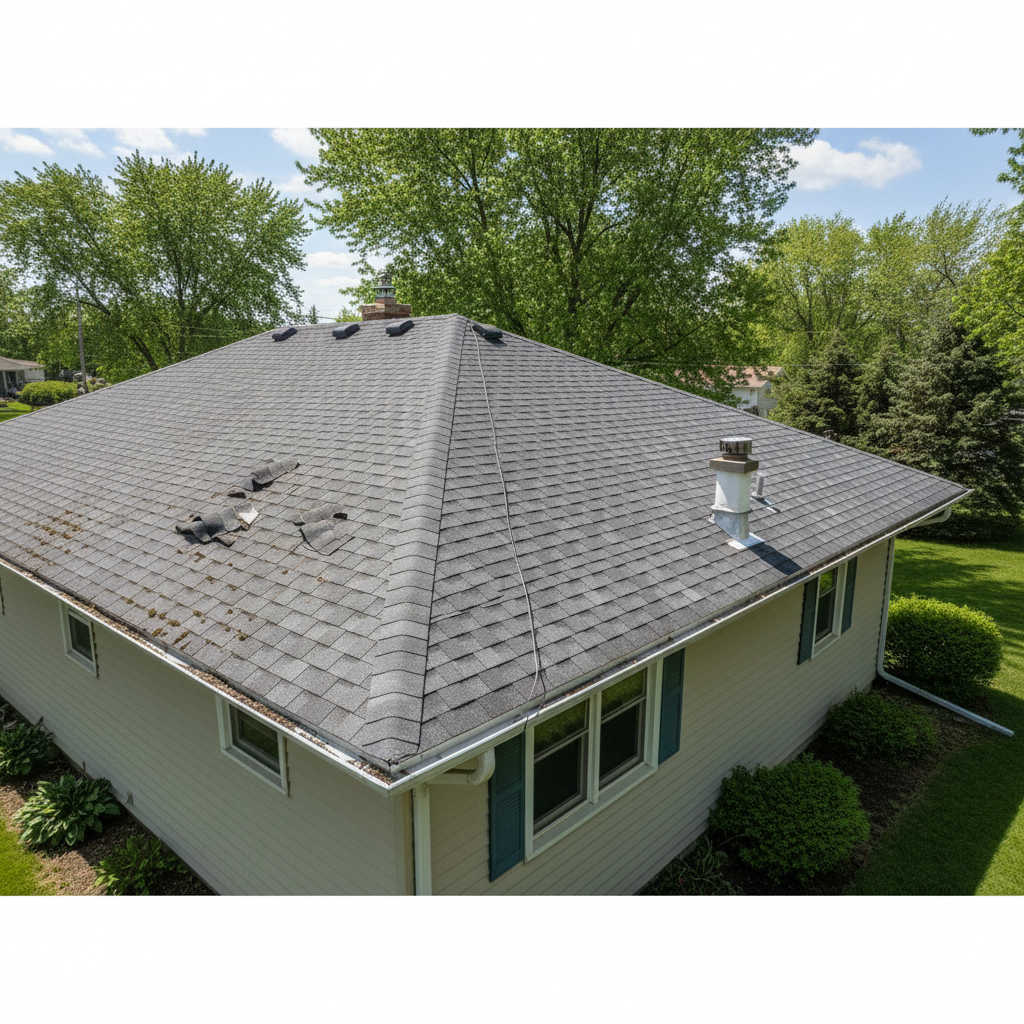
So, your roof needs a look-see. Maybe a big storm just rolled through, or you're just being smart about maintenance. But then you start digging into it, and suddenly everyone's talking about drone inspections. It's new, it's high-tech, and it makes you wonder: is that the way to go, or should someone actually climb up there?
That's a totally fair question. Honestly, both methods have their good points and bad. As someone who's probably been on more roofs than I've had hot dinners around Sioux Center, I've seen both in action. Let's break down what each offers, especially for homes right here in our neck of the woods.
The Old-School Walk-On Inspection
This is probably what pops into most people's heads when they think "roof inspection." A qualified inspector – usually me or one of my crew from Apex Roofing Co – gets up on your roof, walks around, and physically checks everything. We're talking shingles, flashing, gutters, vents, chimneys – the whole shebang.
What's Good About Traditional Inspections:
- Real Hands-On Detail: This is the big one, no doubt about it. We can literally touch and feel things. Is a shingle brittle? Is flashing loose? Are there soft spots underfoot that might mean water damage to the decking? A drone just can't tell you that. We can even lift shingles to check for granular loss underneath or see if nails are popping up. That kind of tactile feedback is gold for finding subtle issues before they turn into huge headaches.
- Quick Fixes on the Spot: Sometimes, we'll spot a loose shingle or a small piece of flashing that's come undone. If it's a quick, easy repair, we can often just take care of it right then, saving you another visit.
- Full Interior Check: Okay, so this isn't strictly "on the roof," but a traditional inspection almost always includes a peek in your attic. We're looking for water stains on the underside of the decking, making sure ventilation is good, and checking for insulation problems. A drone? Can't do any of that, obviously.
- A Human Eye for the Little Things: We've seen thousands of roofs, literally. We know exactly what hail damage looks like compared to just normal wear and tear, or how ice damming affects different parts of a roof. We can interpret patterns and those subtle signs that even the best camera might miss.
What's Not So Good About Traditional Inspections:
- Safety Risks: Let's be honest, climbing on roofs isn't always the safest gig. Steep pitches, wet conditions, or even just old, brittle shingles can make it pretty hazardous.
- Weather Dependent: We can't safely inspect a roof in heavy rain, high winds, or if it's covered in ice or snow. That means delays sometimes, especially with our wild Iowa weather.
- Possible Minor Damage: We're super careful, but walking on an old, fragile roof can sometimes cause a little damage, particularly if shingles are already compromised.
The Drone Inspection Way
Drone technology has really come a long way, super fast. These little flying robots can grab high-resolution images and videos of your roof, often in a fraction of the time it takes a person.
What's Good About Drone Inspections:
- Safety First: Nobody has to climb on the roof, which gets rid of all those safety risks we just talked about. This is a huge plus for really steep or dangerous roofs.
- Fast and Efficient: A drone can zip around and get a full roof survey done in minutes, way quicker than a human inspector.
- Gets to Tough Spots: Some parts of a roof are just a pain to reach, whether because of height, pitch, or landscaping around the house. Drones can usually get a good look at these spots without a hitch.
- Great Visual Records: You end up with high-res photos and videos, which can be awesome for insurance claims or just for your own files. Some fancy drones can even use thermal imaging to spot moisture issues you can't see with your eyes.
What's Not So Good About Drone Inspections:
- No Touching, No Feeling: This is the biggest downside. A drone can't feel a soft spot, lift a shingle, or poke at a piece of flashing. It's all visual. It can show you a missing shingle, sure, but not if the one right next to it is about to fly off.
- Limited Scope: They can't check your attic or the inside of your home for any related problems.
- Still Weather Limited: Even though they're safer, drones still can't fly in heavy rain, strong winds, or really cold weather, which can mess with battery life and how steadily they fly.
- Cost: Sometimes, a specialized drone inspection can actually cost more than a traditional one, especially if it involves advanced imaging.
- Operator Skill Matters: The quality of the inspection really comes down to how good the drone pilot is and if they actually understand roofing issues. A fantastic pilot won't necessarily be a great roofer, you know?
So, Which One Should You Pick for Your Sioux Center Home?
Alright, what's the final word for us here in Sioux Center? Considering our climate – all those freeze-thaw cycles, hail storms, and strong winds that blow through – my recommendation almost always leans toward a traditional, hands-on inspection.
Here's why: our roofs really take a beating. The kind of damage we see – granular loss, shingles lifted by wind, impact marks from hail, or even just the slow wear from years of sun and ice – often needs a physical touch to truly figure out. A drone might show you a missing shingle, but a human inspector can tell you *why* it's missing, if the surrounding shingles are also compromised, and what the decking underneath looks like. That's crucial.
Think about the homes in places like the newer developments on the north side of town, or those older, established neighborhoods near Dordt. Whether it's a relatively new roof or one that's seen a few decades, those subtle signs of wear and tear, or the early stages of water getting in, are best caught by someone who can get right up close.
Now, don't get me wrong, drones definitely have their place. If your roof is super steep and dangerous, or if you just need a quick visual check after a minor event and a full inspection isn't immediately possible, a drone can be a good first step. Some companies even use them alongside traditional inspections – the drone gets the big picture, and the human then zeroes in on problem areas the drone flagged. That's actually a pretty smart hybrid approach.
But if you're truly after a comprehensive look at your roof's health, one that can spot problems before they turn into expensive nightmares, you really need a person up there. We're not just looking at pictures; we're using our years of experience to interpret what those pictures, combined with physical touch, truly mean for your home.
So, when you call Apex Roofing Co, you can expect us to get up on that roof (safely, of course) and give it the thorough inspection it deserves. It's simply the best way to make sure your Sioux Center home stays protected.